How to Stay Steady When Nothing Goes as Planned
The Skill No One Teaches Directors: How to Stay Steady When Nothing Goes as Planned
A preview of the three sessions I’m bringing to FrogStreet this year
A teacher calls in sick ten minutes before opening. A parent is standing in your office with her arms crossed, about to say the thing you already know she’s going to say. A new licensing memo lands in your inbox the same week enrollment dips. None of that is in your job description. All of it is your job.
Here’s what I’ve learned after years of sitting across the table from directors in exactly that spot: the programs that hold together aren’t run by leaders who’ve somehow eliminated the unexpected. They’re run by leaders who’ve practiced resetting in the moment instead of white-knuckling through it. That’s the whole premise of the three sessions I’m bringing to FrogStreet this year, two of them alongside my cousin and longtime co-host Carrie Casey.
Overwhelm is a normal Tuesday in this field. Staying overwhelmed — letting it become your operating mode instead of a passing weather system — is the part that’s actually optional, and the part we can train.
Session one is about the moment itself: the unexpected thing that just landed on your desk. We walk through simple, brain-based ways to reset before you respond, so “reactive” isn’t your default setting. I’ve watched directors turn a single deep-breath habit into the difference between a blowup and a resolved conversation.
Session two is about change that doesn’t shred your team on the way in. New curriculum, new staffing structure, new ownership — early childhood programs live in a state of near-constant change, and most of the burnout I see isn’t from the change itself. It’s from how it was communicated. Pacing, honesty, and giving people a real voice in the “how” — not just the “what” — is the difference between a team that adapts and a team that quietly starts job-hunting.
Session three is the one I think gets skipped the most: the gap between what we say we believe about play-based, child-centered practice, and what actually happens in the classroom by 9:15 on a Tuesday. That gap isn’t usually a values problem. It’s a systems and stress problem. Leadership sets the conditions that let philosophy survive contact with a real day.
If there’s a thread running through all three, it’s this: your center doesn’t need a director who never gets rattled. It needs one who knows how to get steady again, on purpose, faster each time. I’ve watched a single owner completely change a program’s turnover by taking something as simple as personality-style awareness seriously during onboarding — not because it was trendy, but because it gave her team a shared language for understanding each other under pressure. That’s the kind of tool we’ll be handing out at FrogStreet: not theory, something you can use the next
time the unexpected shows up before your coffee’s even cold.
I’ll be there running all three sessions with real scenarios, not slides full of platitudes. If you’re a director, owner, or anyone holding a program together on the hard days, I’d love to see you in the room.
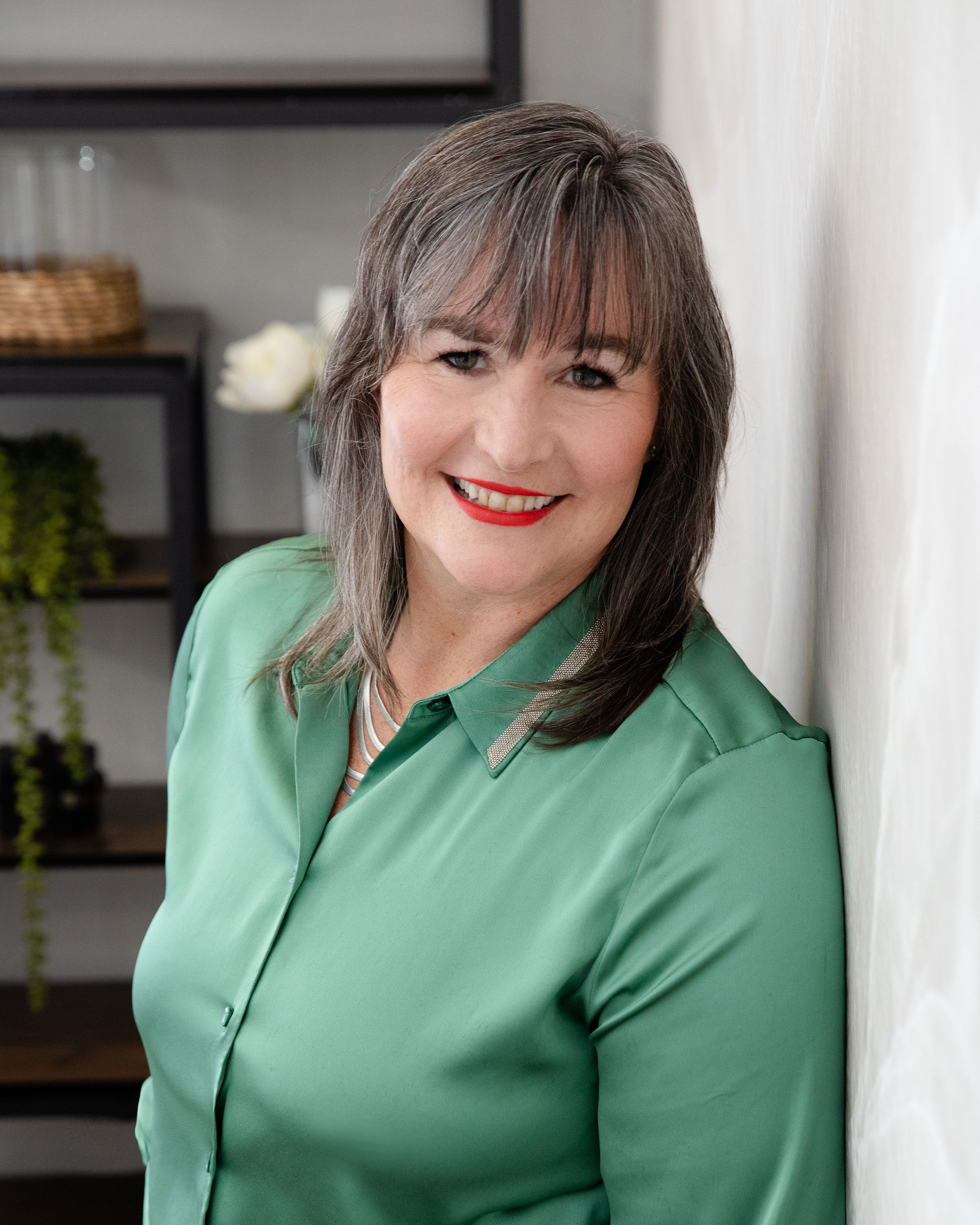
Kate Woodward Young, M.Ed., helps early childhood leaders build the confidence and systems to run programs that don’t fall apart when life doesn’t go according to plan. More at katewoodwardyoung.me.